
Pocket Buddy
Pocket Buddy
Bringing your favorite plush companion to life.
Motivation
Plush toys aren't just for children.
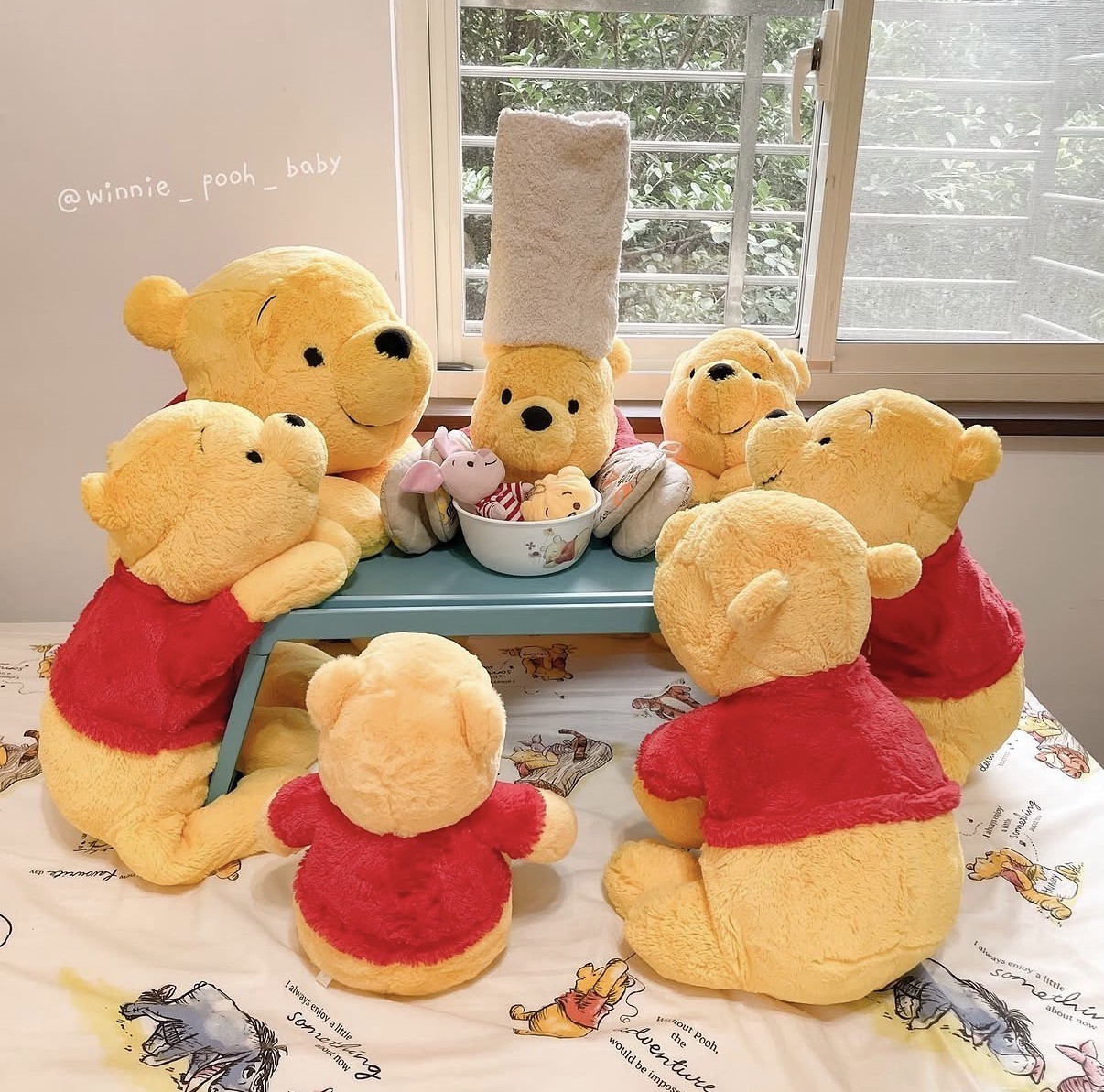
I've always loved plush toys and have collected quite a few myself. But I soon realized I wasn't alone. Many adults also collect plush toys, give them names, share their daily lives on social media, and treat them as companions.
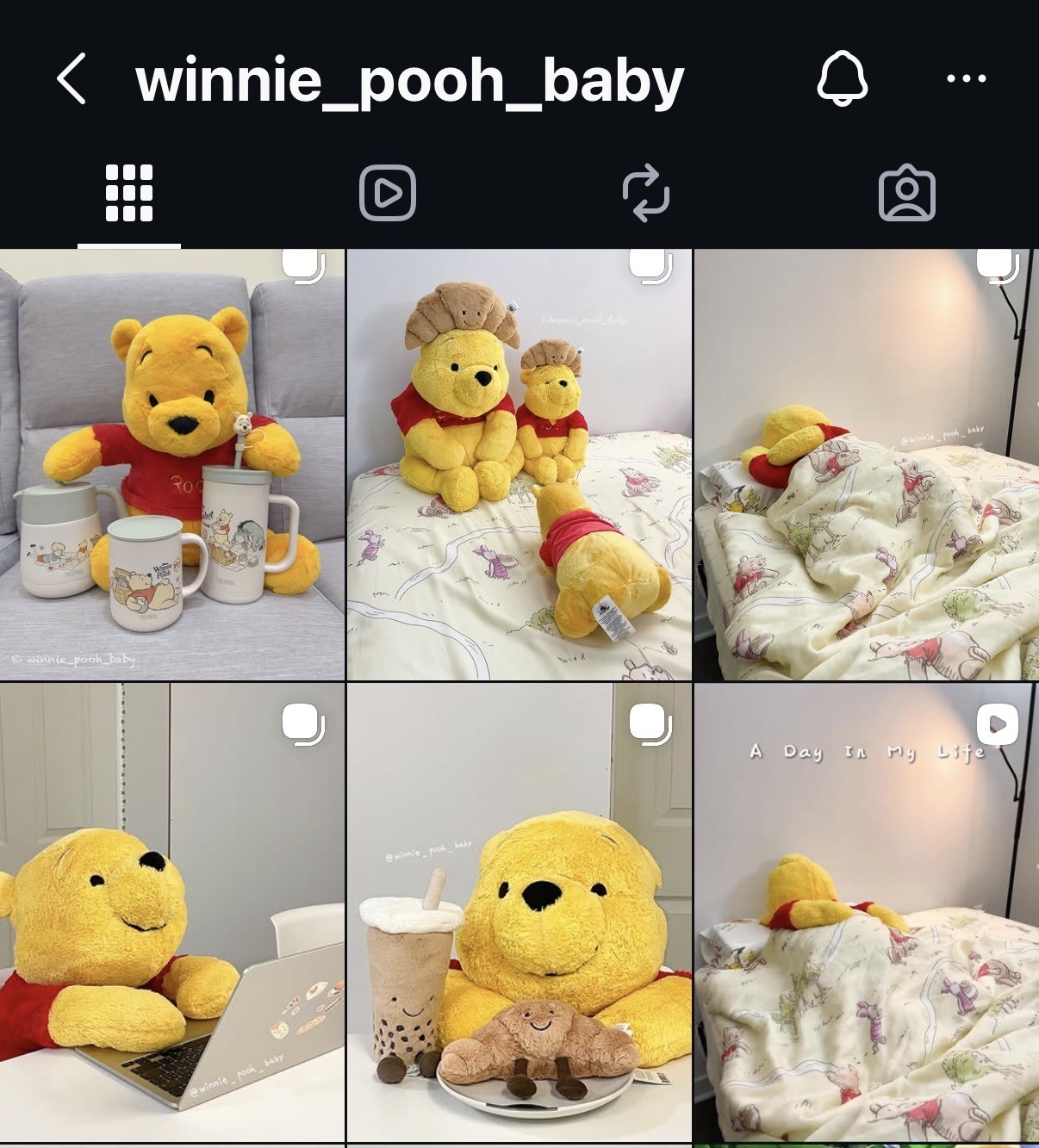
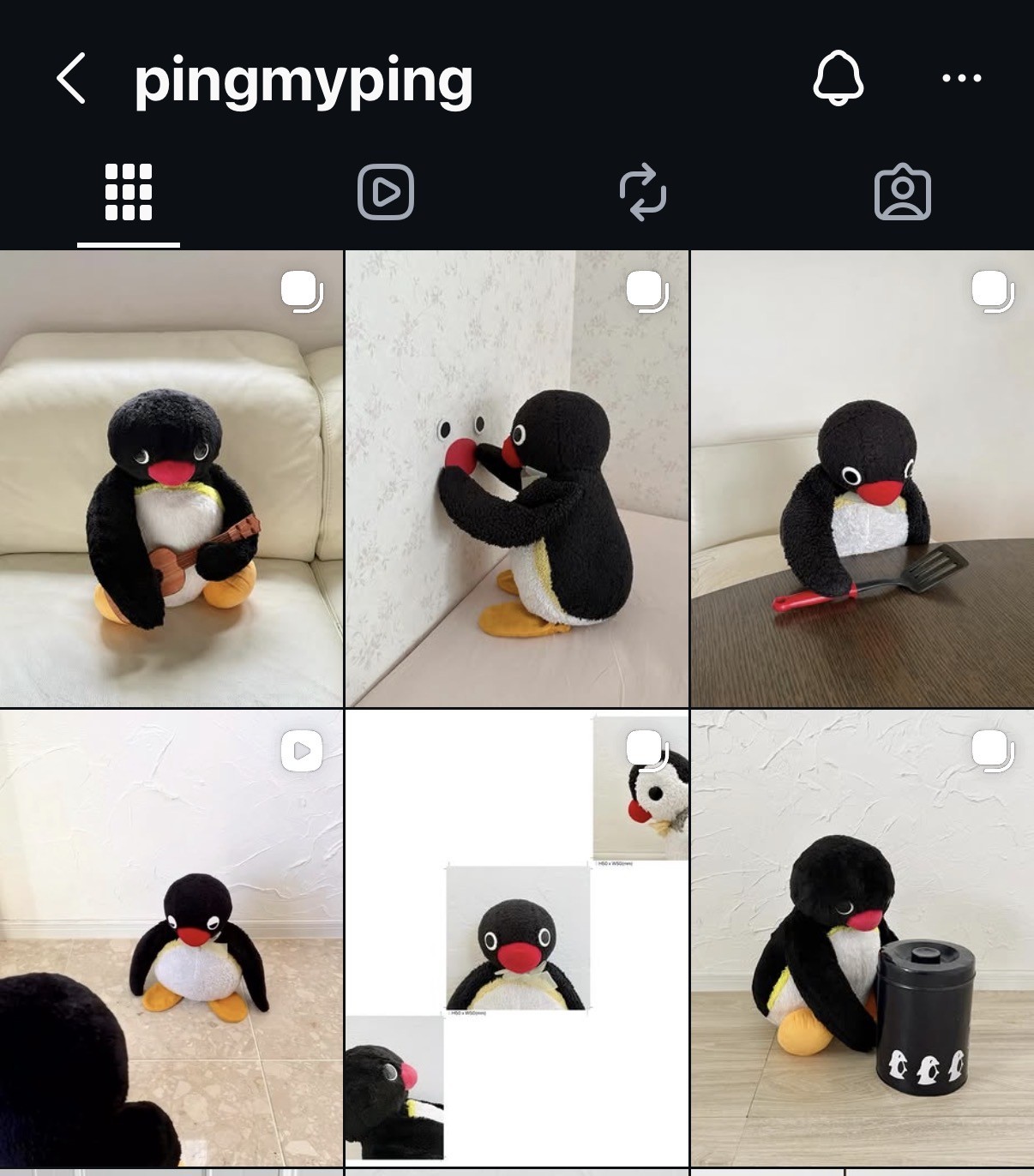
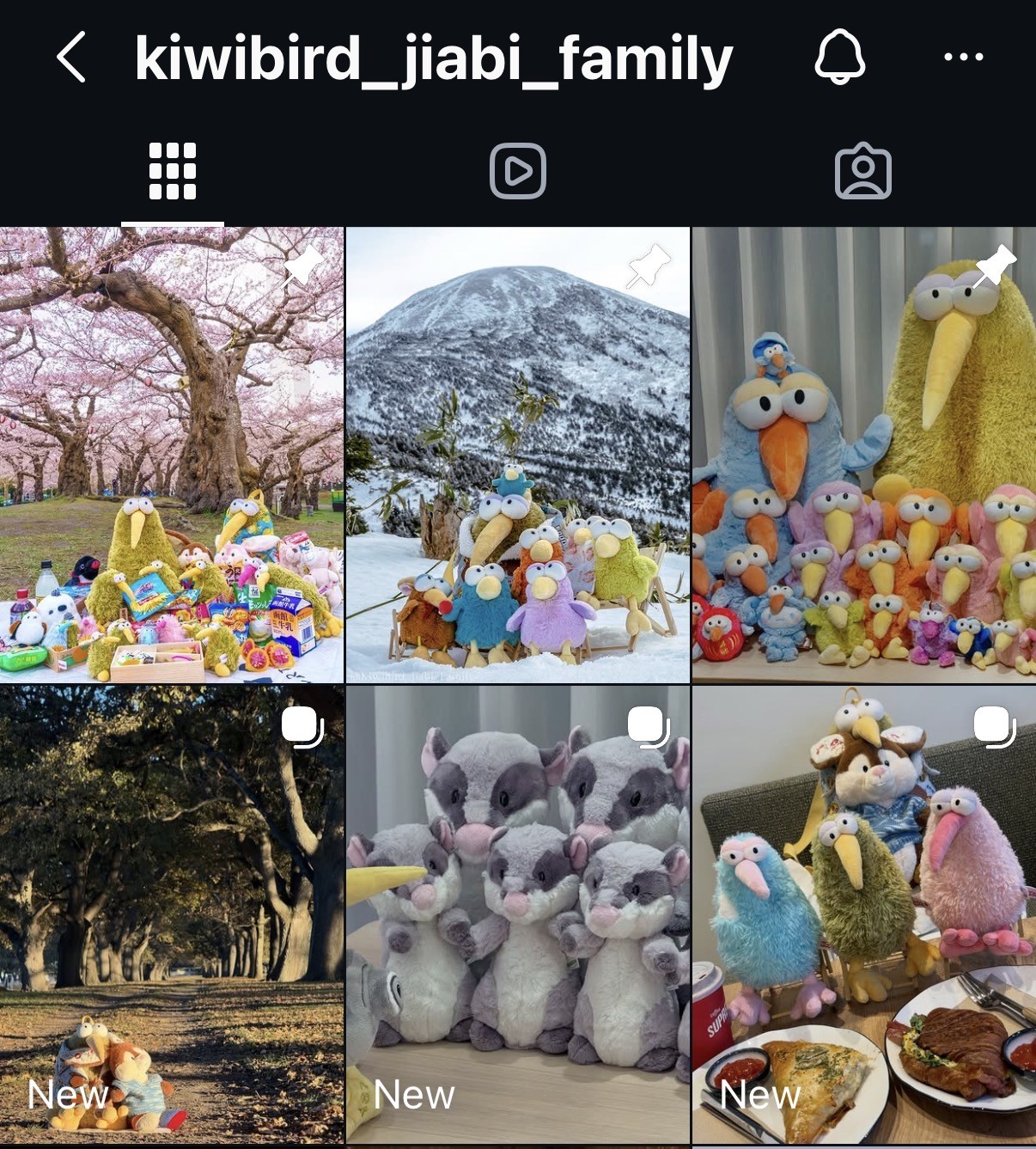
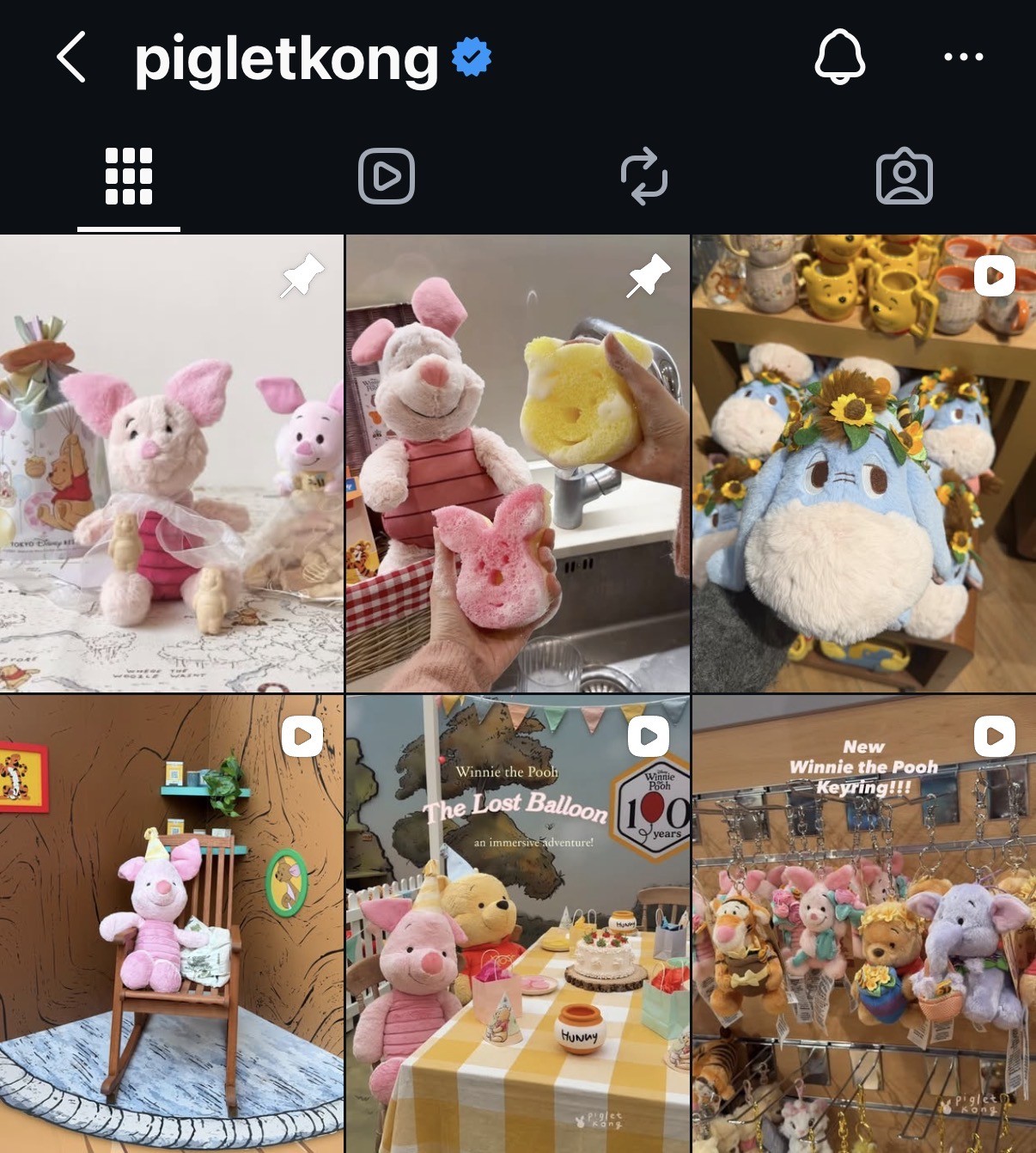
Plush toy accounts on Instagram
This made me curious:
Why do adults feel emotionally connected to plush toys?
Research
Why do adults feel emotionally connected to plush toys?
Secondary Research
Research suggests that plush toys provide more than physical comfort and can also support emotional well-being.
Emotional Comfort
Cute, soft objects can help reduce stress and promote relaxation.
Emotional Attachment
Plush toys can carry personal memories and emotional significance.
Everyday Companionship
Plush toys can offer a sense of companionship beyond childhood.
Primary Research
4 Interviews
Conducted 30–40 minute interviews with 4 adult plush toy owners to explore emotional attachment, companionship, and everyday interactions.
26 Survey Responses
Surveyed 26 adult plush toy owners to understand attachment patterns, comfort behaviors, and attitudes toward plush toys in public.
6 Weeks of Observation
Observed plush toy communities on Instagram and Xiaohongshu over 6 weeks to explore how adults express emotional attachment online.
Key Findings
92%
seek comfort from plush toys when they feel stressed or sad
72%
think about their plush toys when they can’t bring them along
84%
are interested in a digital companion app for their plush toys
Social Visibility & Stigma
Many participants felt emotionally attached to their plush toys, but hesitated to express these relationships publicly.
“I only interact with them outside when friends are also into plush toys.”
“I would feel judged if I brought big plush toys to work.”
Problem
Comfort shouldn’t depend on having a plush toy at hand.
Problem Statement
Adults find emotional comfort in plush toys, but cannot consistently access that companionship throughout daily life.
HOW MIGHT WE
How might we preserve emotional comfort beyond physical proximity?
How might we extend plush companionship into everyday screen time?
How might we create a lightweight digital companion without replacing the physical plush toy?
Ideation
Designing for Emotional Connection
Guided by Don Norman's Emotional Design framework, I wanted Pocket Buddy to feel familiar, playful, and personal.
Exploring Two Directions
I explored two ways to extend the emotional connection with plush toys into everyday digital experiences.
Direction 01 — Interactive AI Companion
Turn plush toys into interactive characters that can respond and communicate.
Pros
- Real-time interaction and companionship
- Brings the plush toy's personality to life
Cons
- Requires ongoing engagement
- Technically complex
Direction 02 — Emotional Memory App
A journaling experience to capture meaningful moments with plush toys.
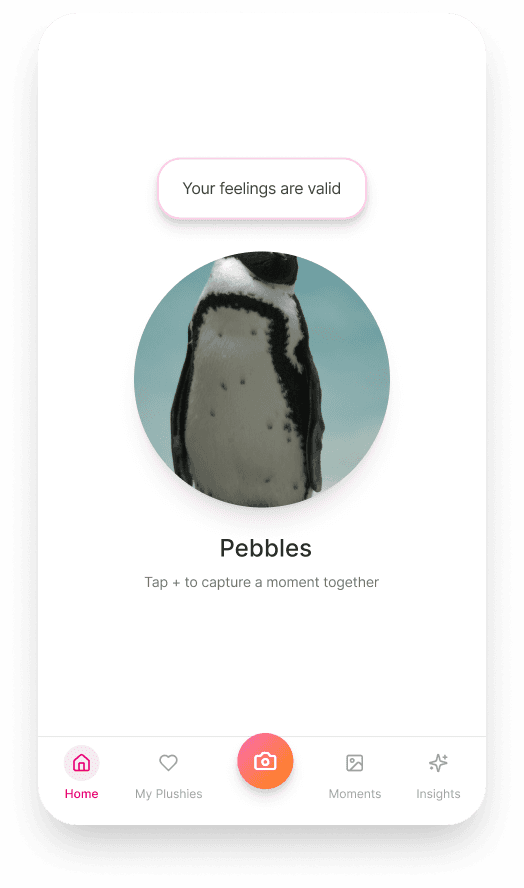
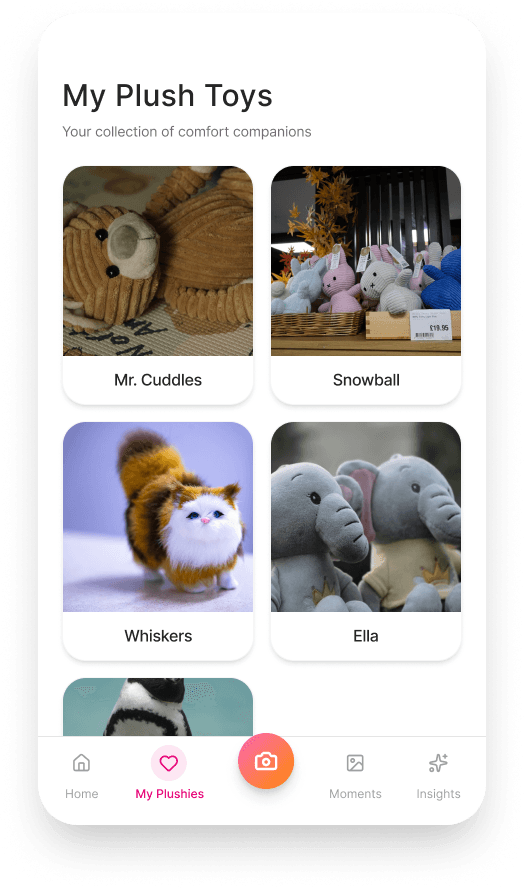
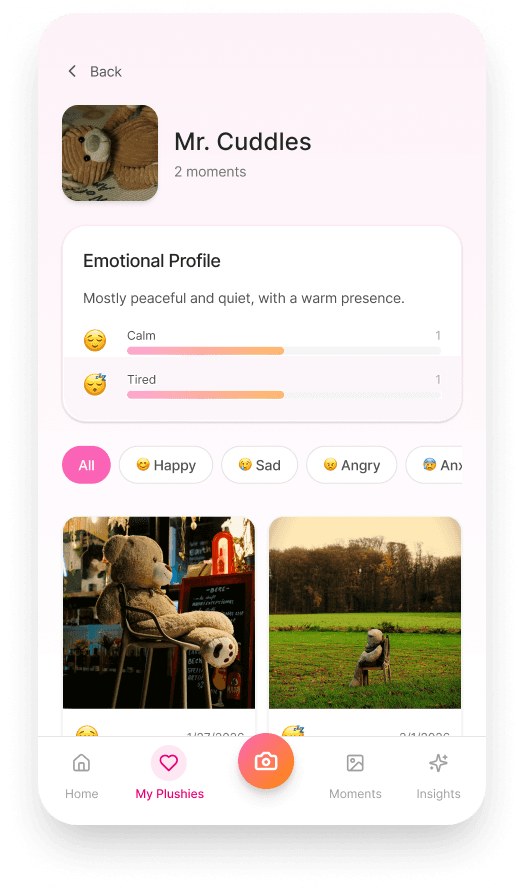
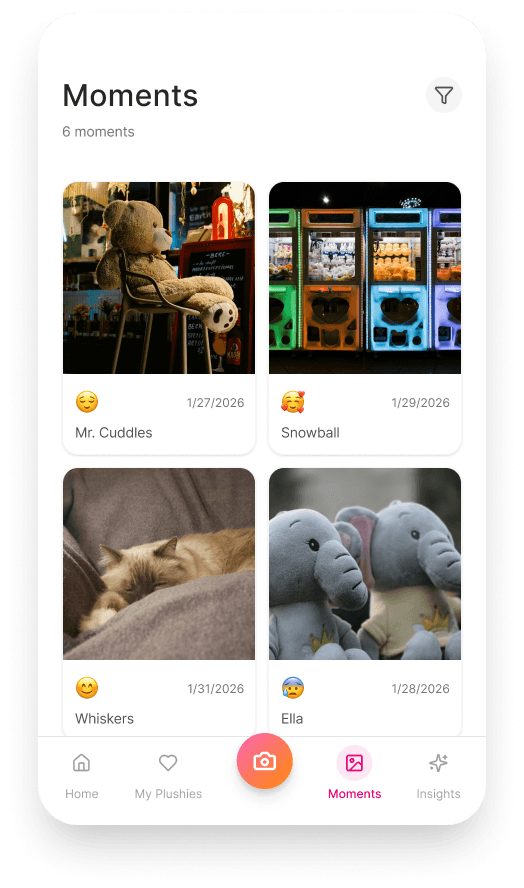
Created with Figma Make
Pros
- Encourages reflection and memory keeping
- Supports personal storytelling
Cons
- Focuses on past memories rather than everyday companionship
- Requires active journaling
Design Decision
A low-pressure digital companion that brings plush toys to life without requiring constant conversation or journaling.
Design Iteration
Through two rounds of iteration and feedback, Pocket Buddy evolved from a game-like virtual pet into a lightweight digital companion focused on emotional comfort.
Iteration 01 — Exploring a Virtual Pet Experience
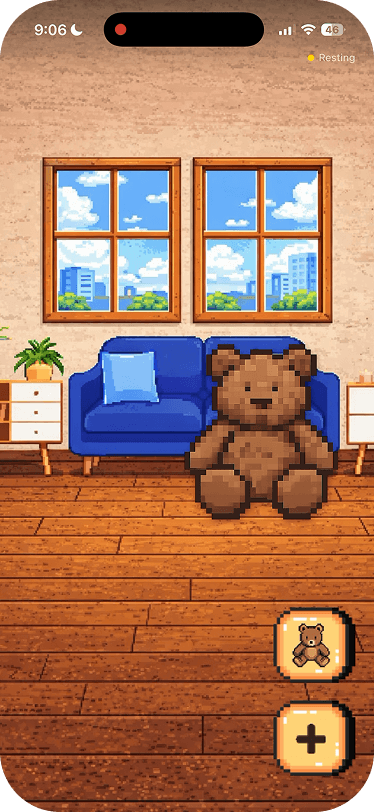
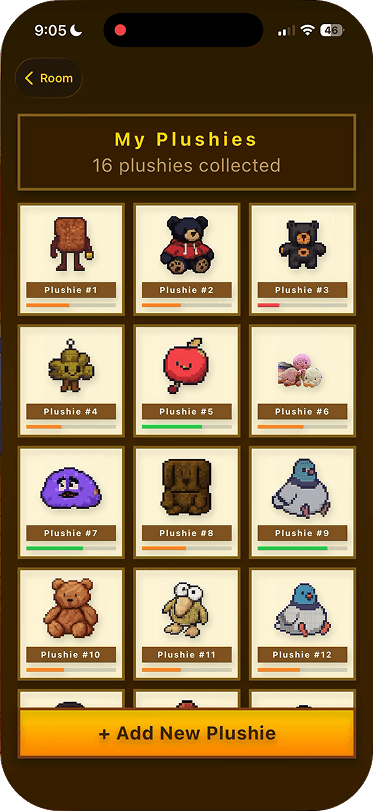
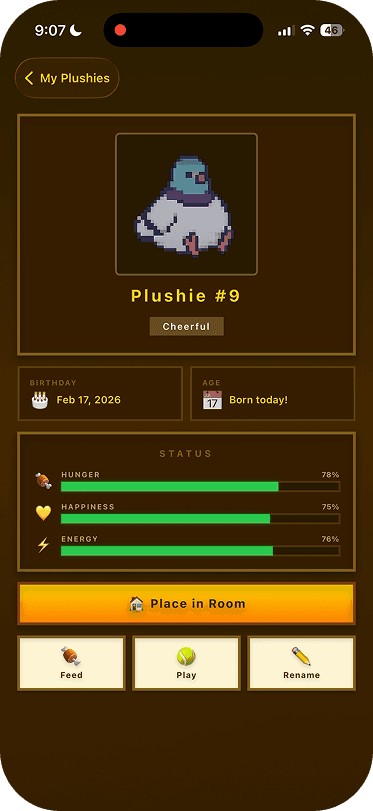
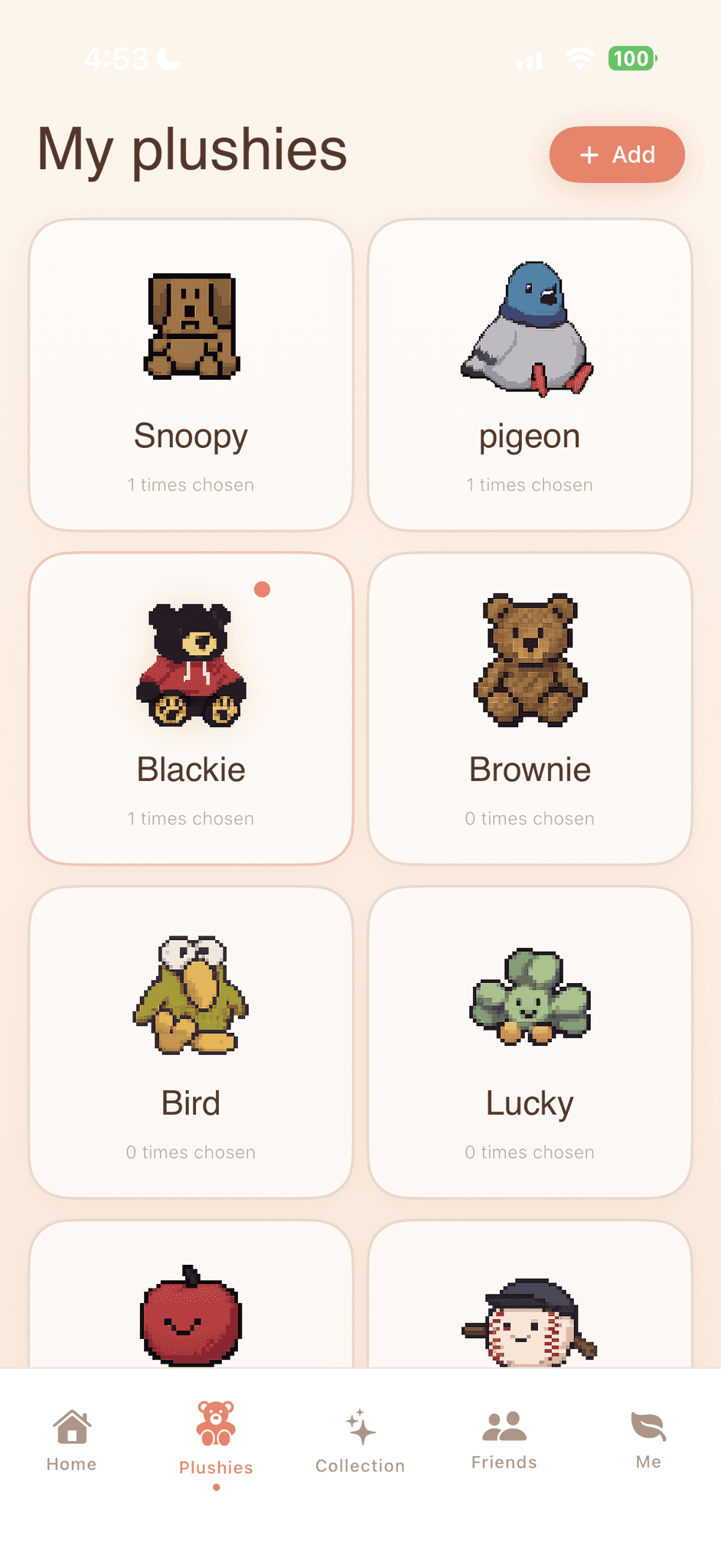
The first prototype allowed users to turn their plush toys into digital characters, manage their collection, and interact with a companion on the home screen.
User Feedback
- Felt more like a virtual pet than an emotional companion
- Visual design felt heavy and emotionally distant
Design Response
Shifted toward a softer visual style and more emotionally supportive interactions.
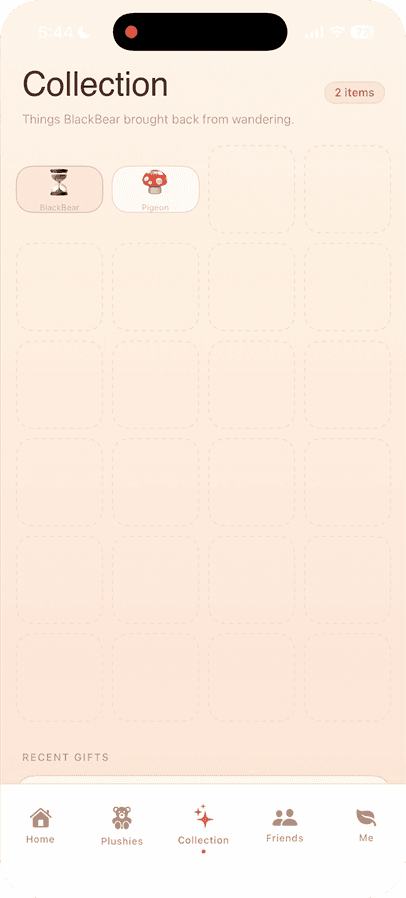
Iteration 02 — Exploring Emotional & Social Interactions
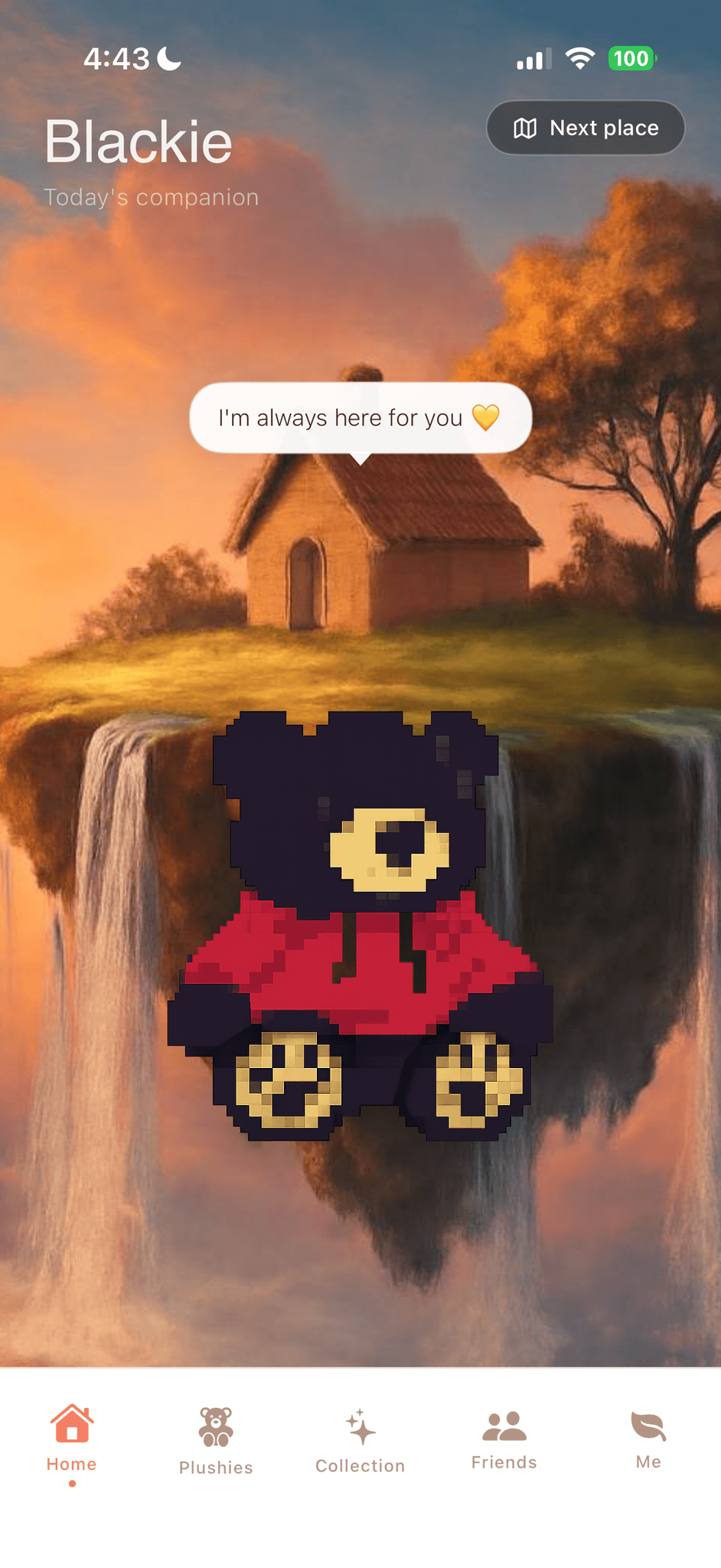
I introduced a softer visual style, encouraging messages, gifts, social visits, and AI-generated environments to create a more personal experience.
User Feedback
- Wanted more direct interactions with their plush companions
- The gift collection feature lacked a clear purpose
- AI-generated environments felt disconnected from real life
- Mixed visual styles weakened emotional consistency
Design Response
More Interaction
Drag companions and interact through device movement.
AR Moments
Replace passive collection with shared AR experiences.
Personal Environments
Turn personal photos into pixel-art spaces.
Cohesive Visual Style
Unify the experience through consistent pixel art.
Final Design
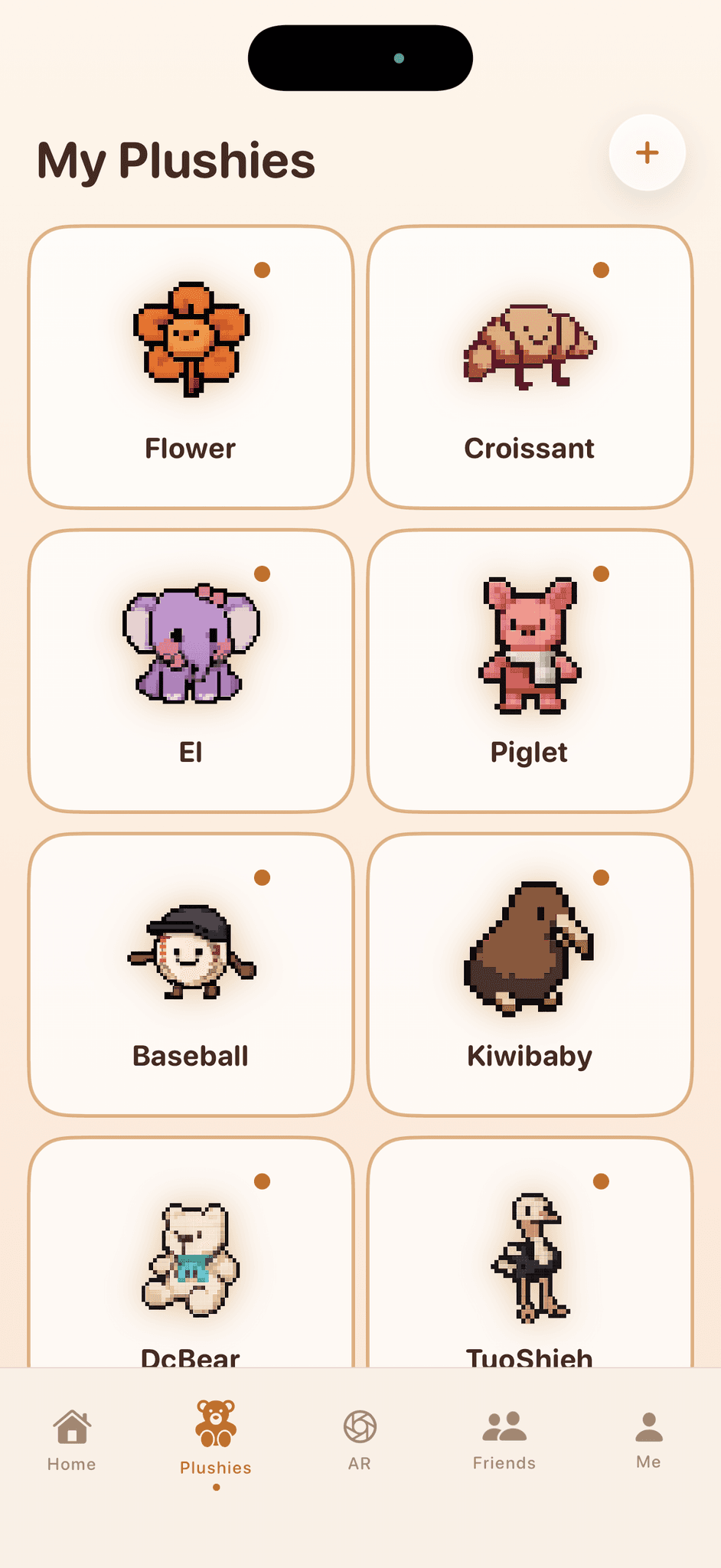
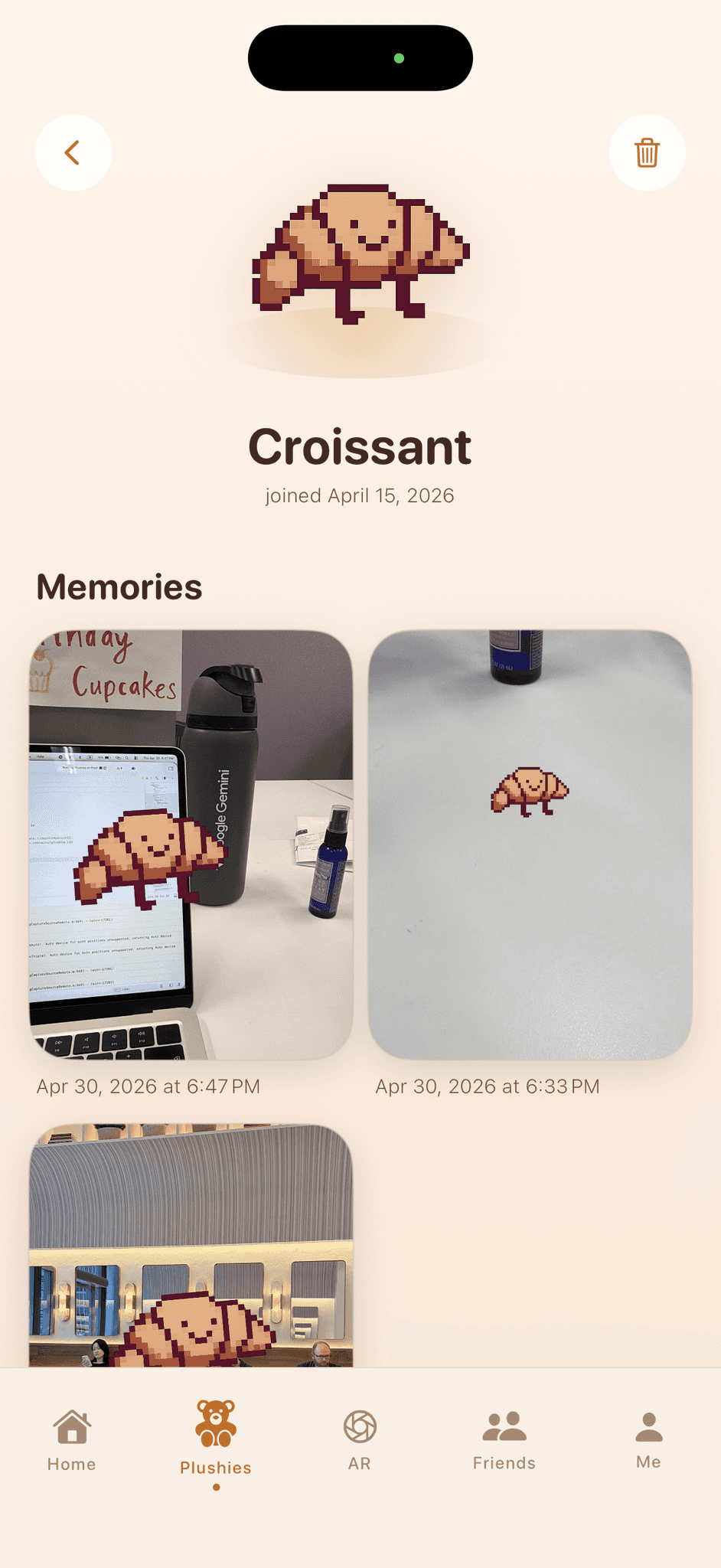
A cozy digital space where beloved plush toys become pixel companions, offering a sense of presence and connection throughout everyday life.
Key Features
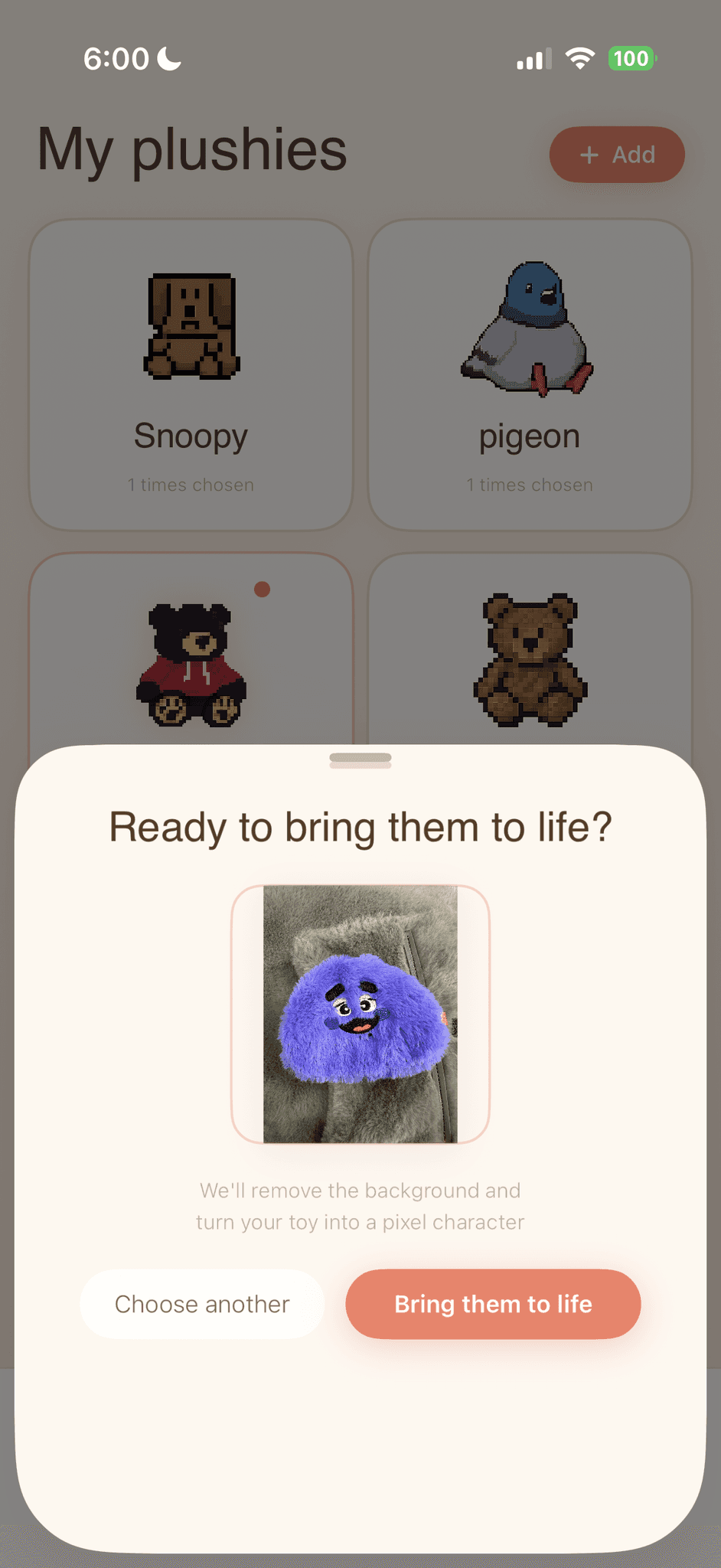
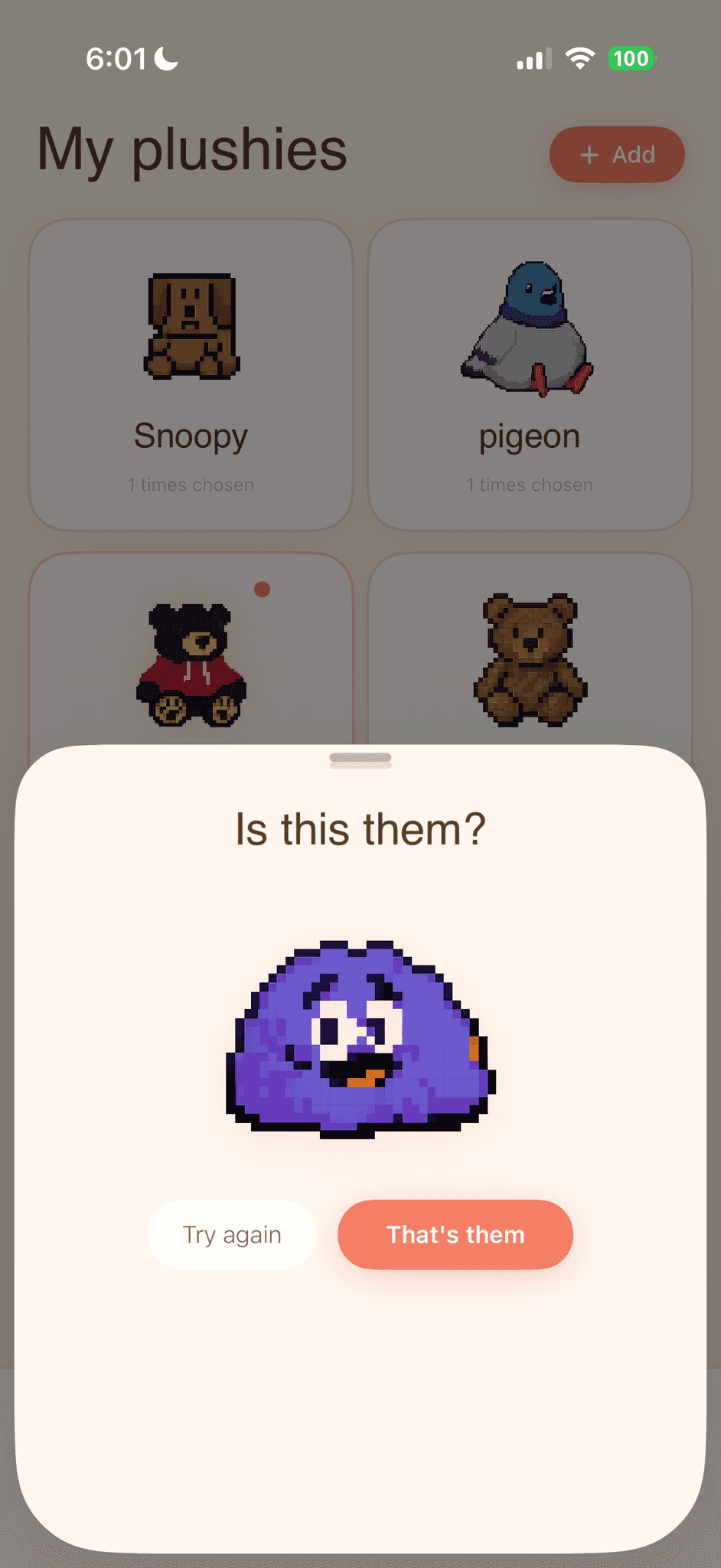
Turn plush photos into digital companions with AI
Upload a photo of your plush toy and use AI to generate a personalized pixel-art companion.
Create pixel backgrounds from your photos with AI
Use AI to turn a real-life photo into a pixel-art background, giving your companions a space inspired by your own world.
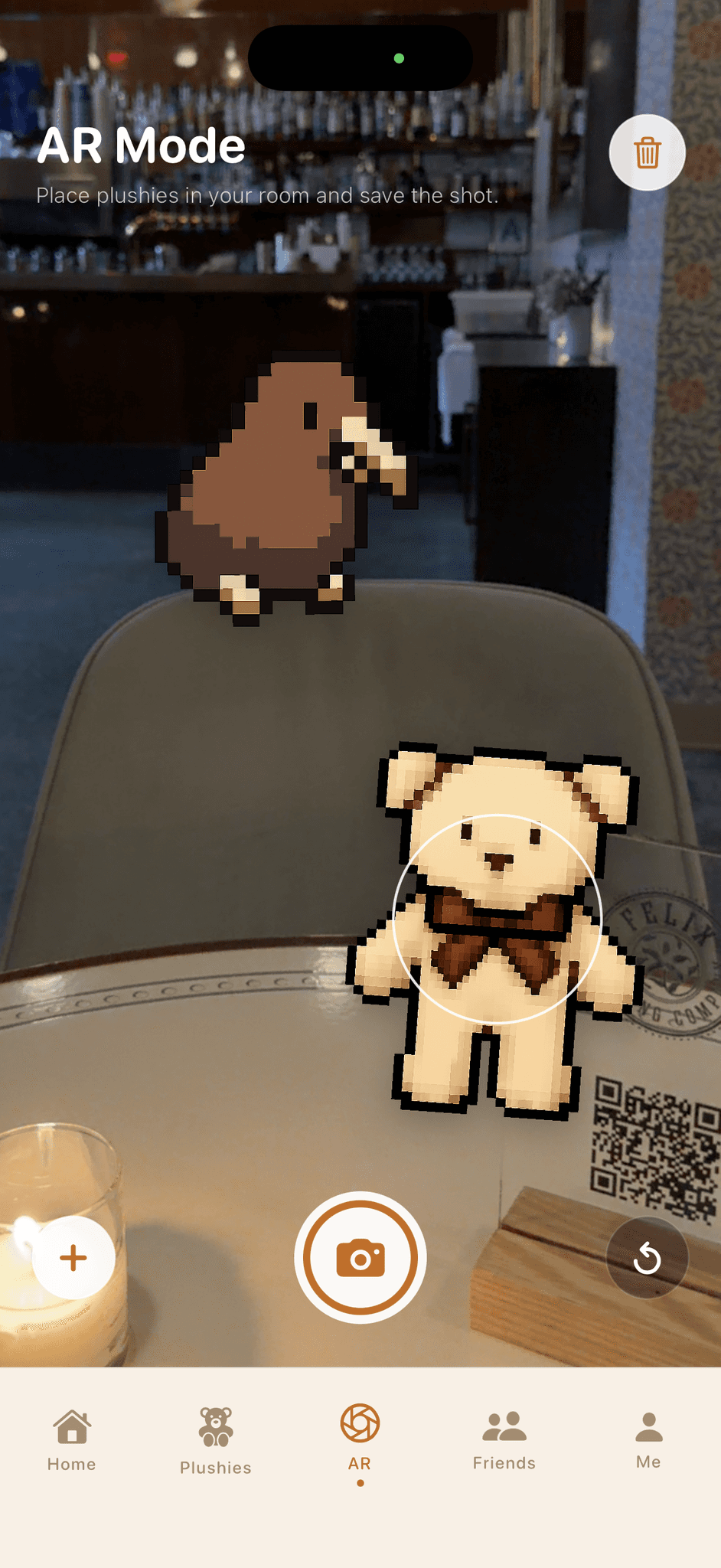
Place companions in the real world with AR
Use augmented reality to place digital companions in your surroundings and take photos with them.
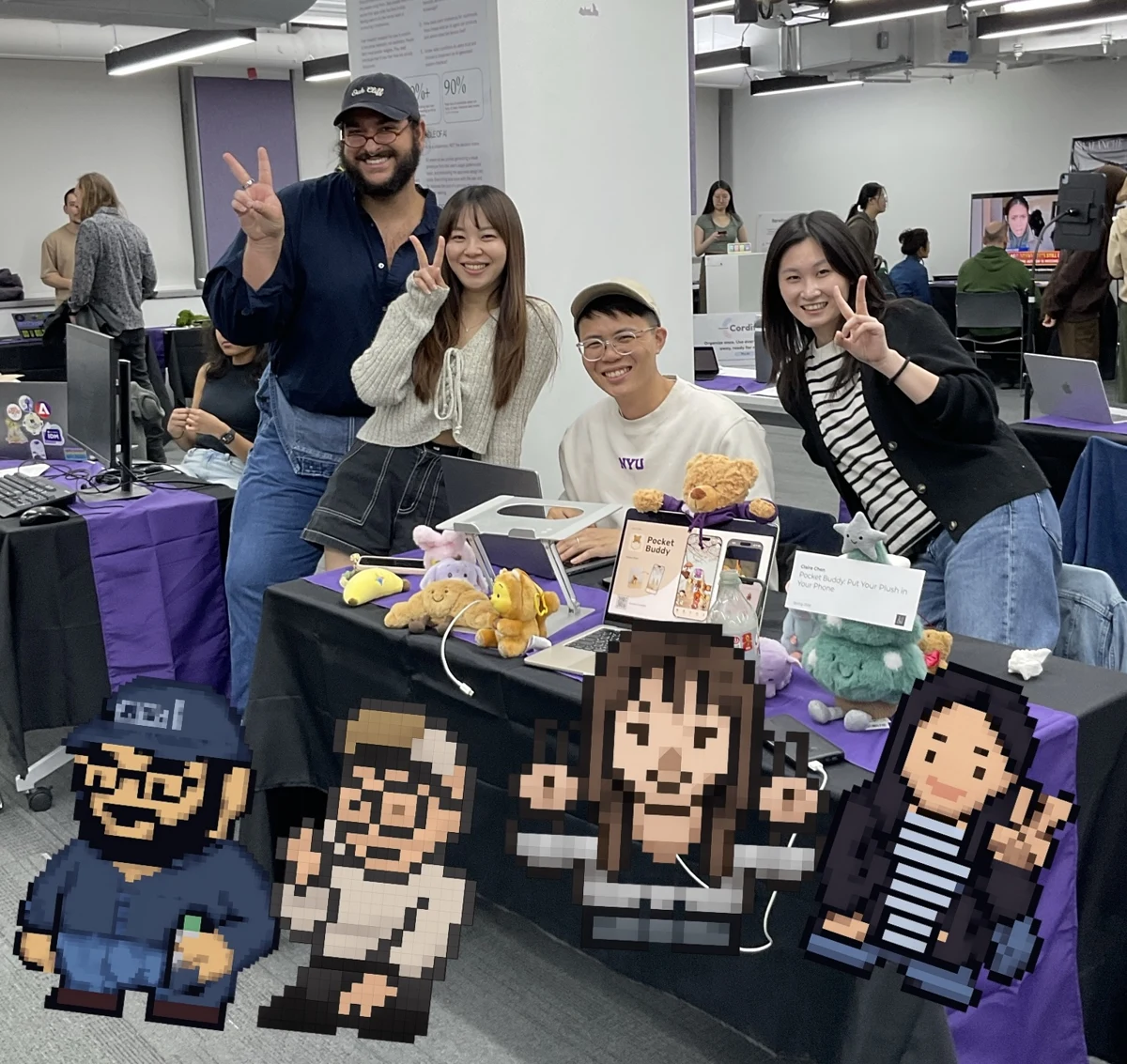
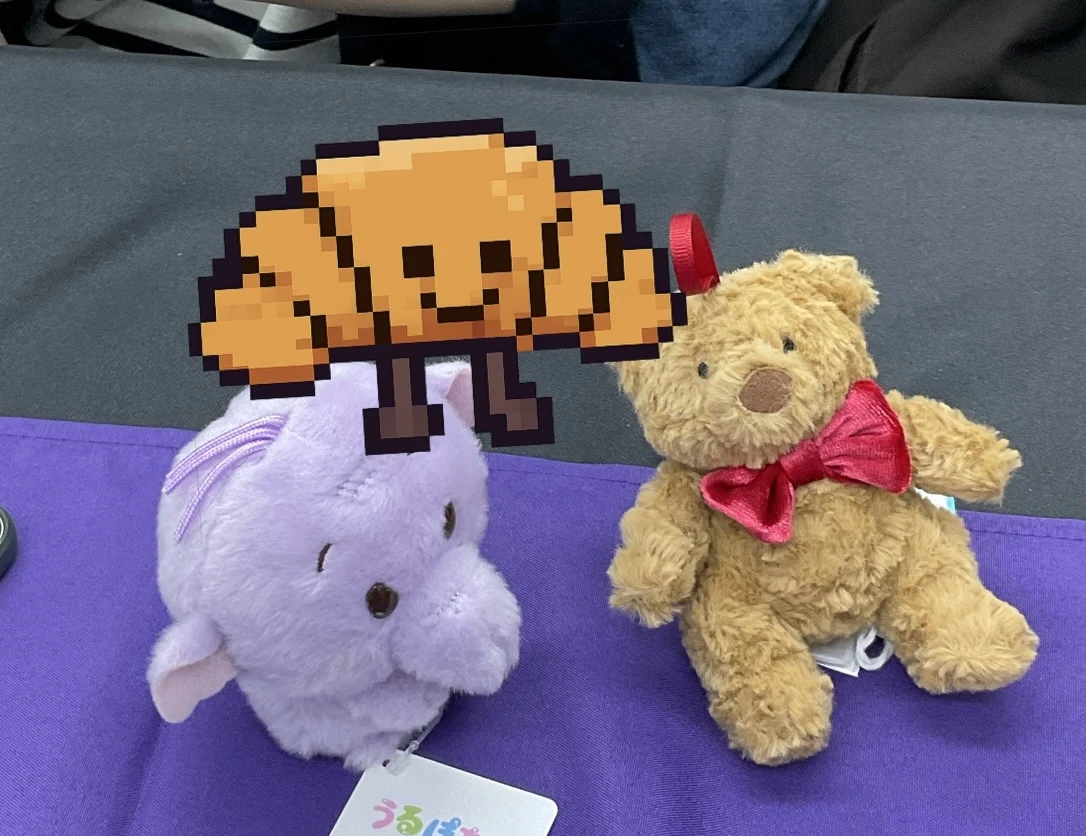
Play with companions using touch and motion
Add companions to the app’s home screen, drag them around, and interact with them by moving your phone.
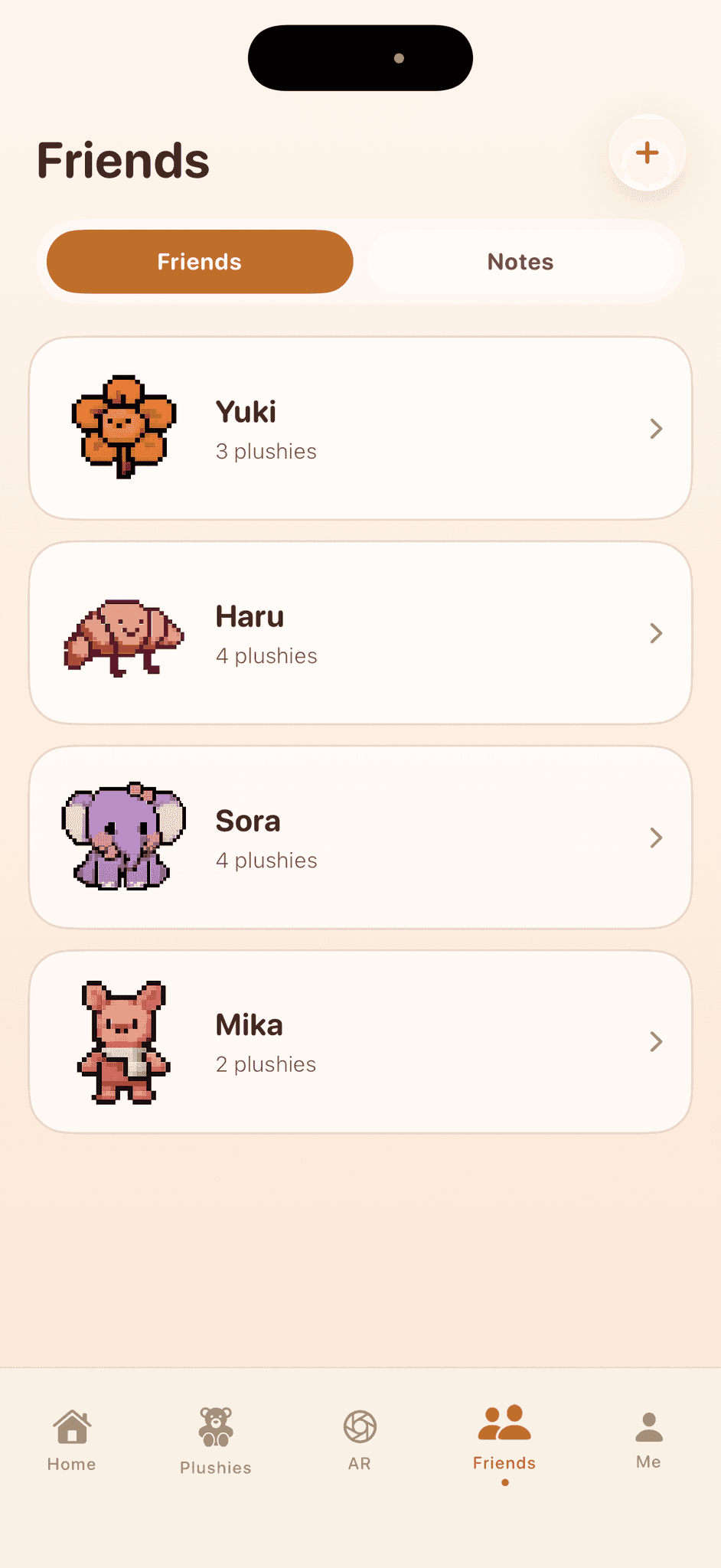
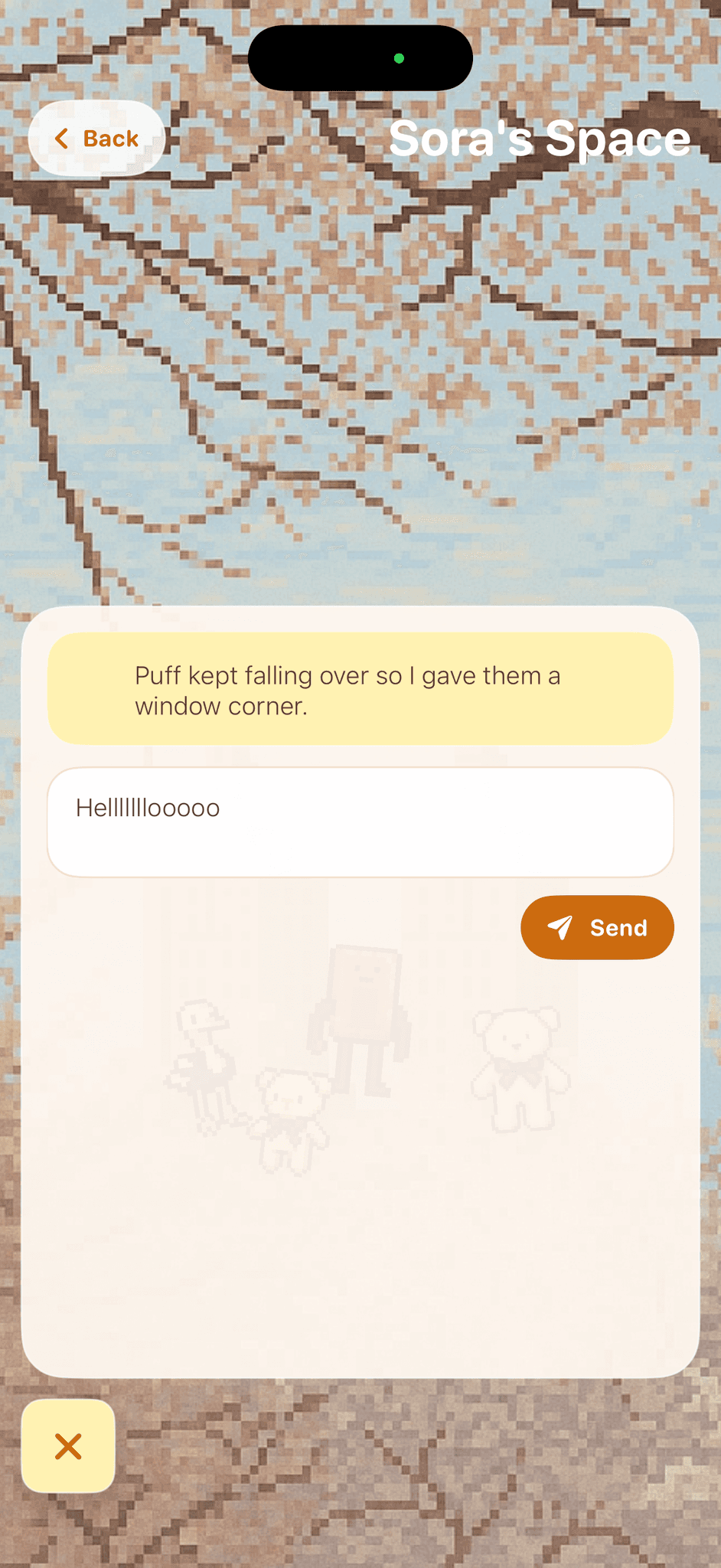
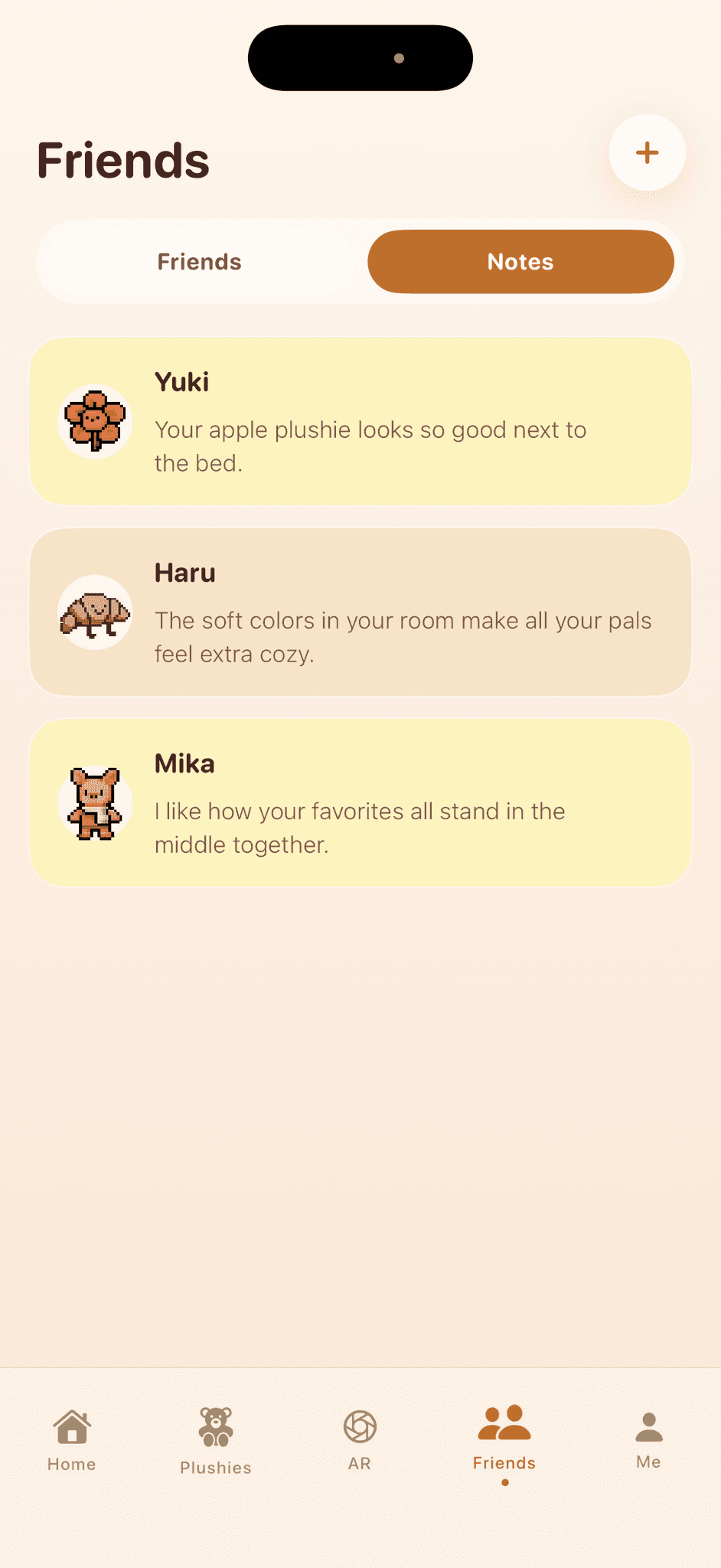
Visit friends’ spaces and leave messages
Explore your friends’ companion spaces and leave messages to stay connected.
Showcase
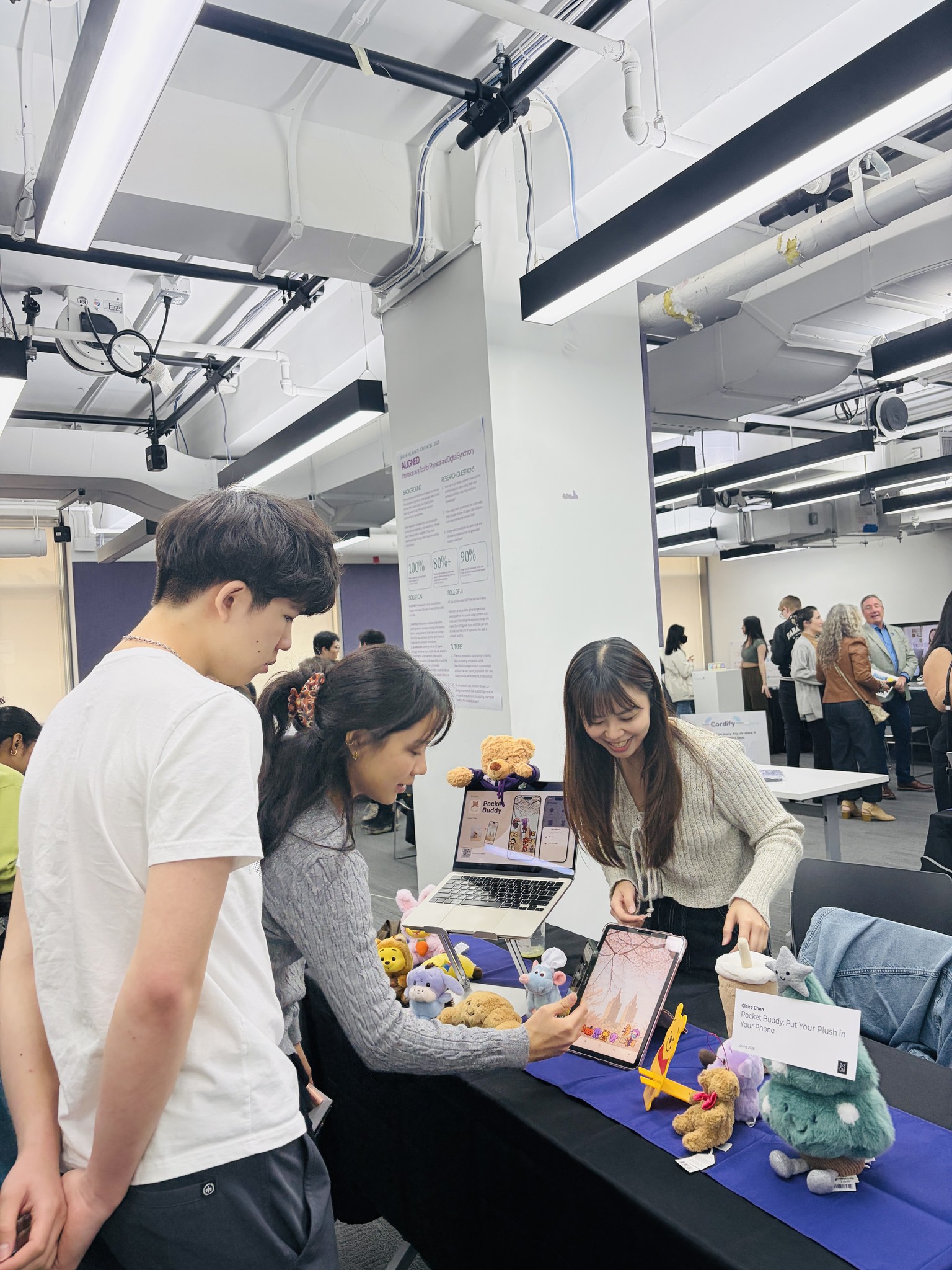
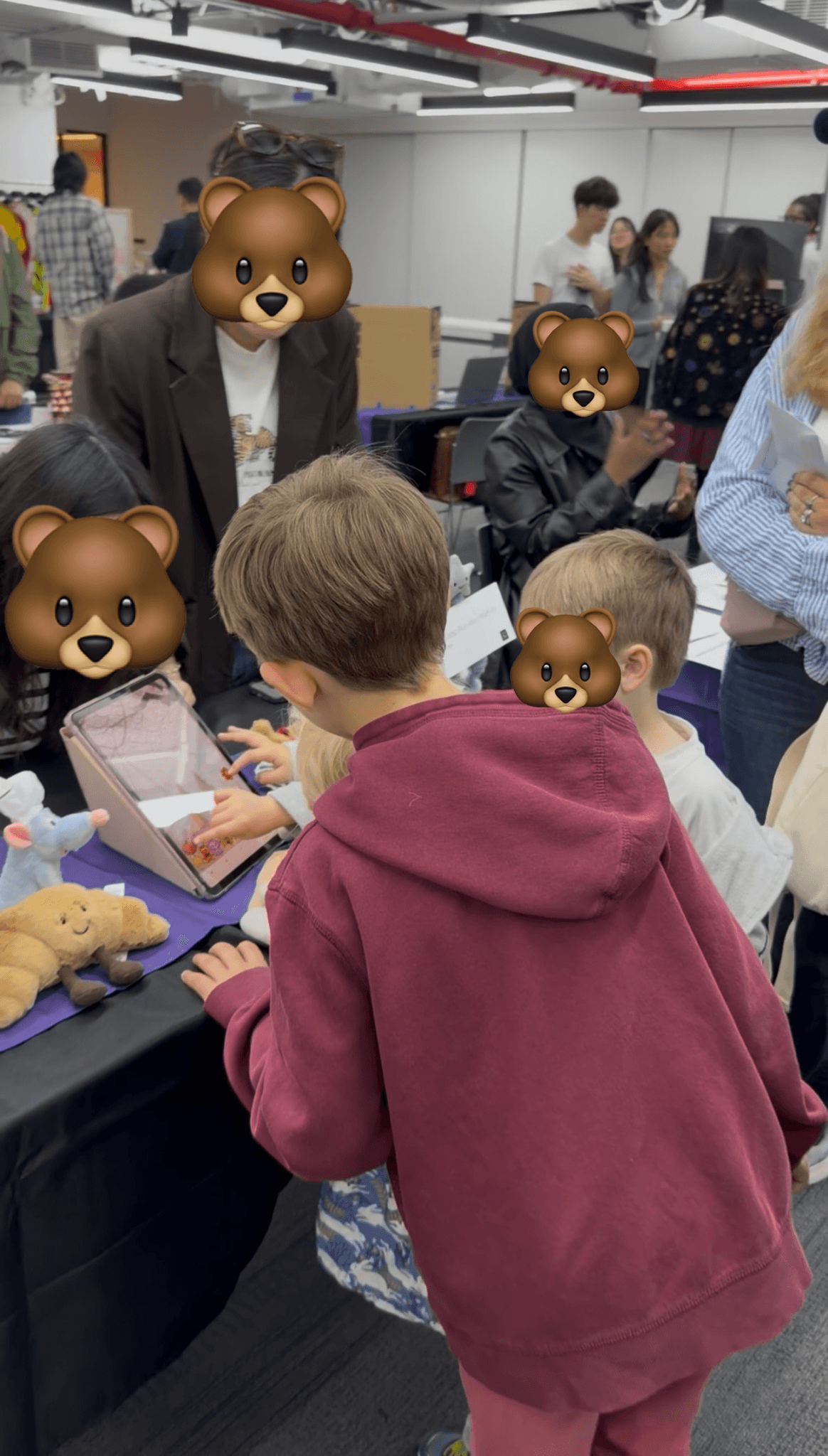
An unexpected audience emerged at the thesis showcase.
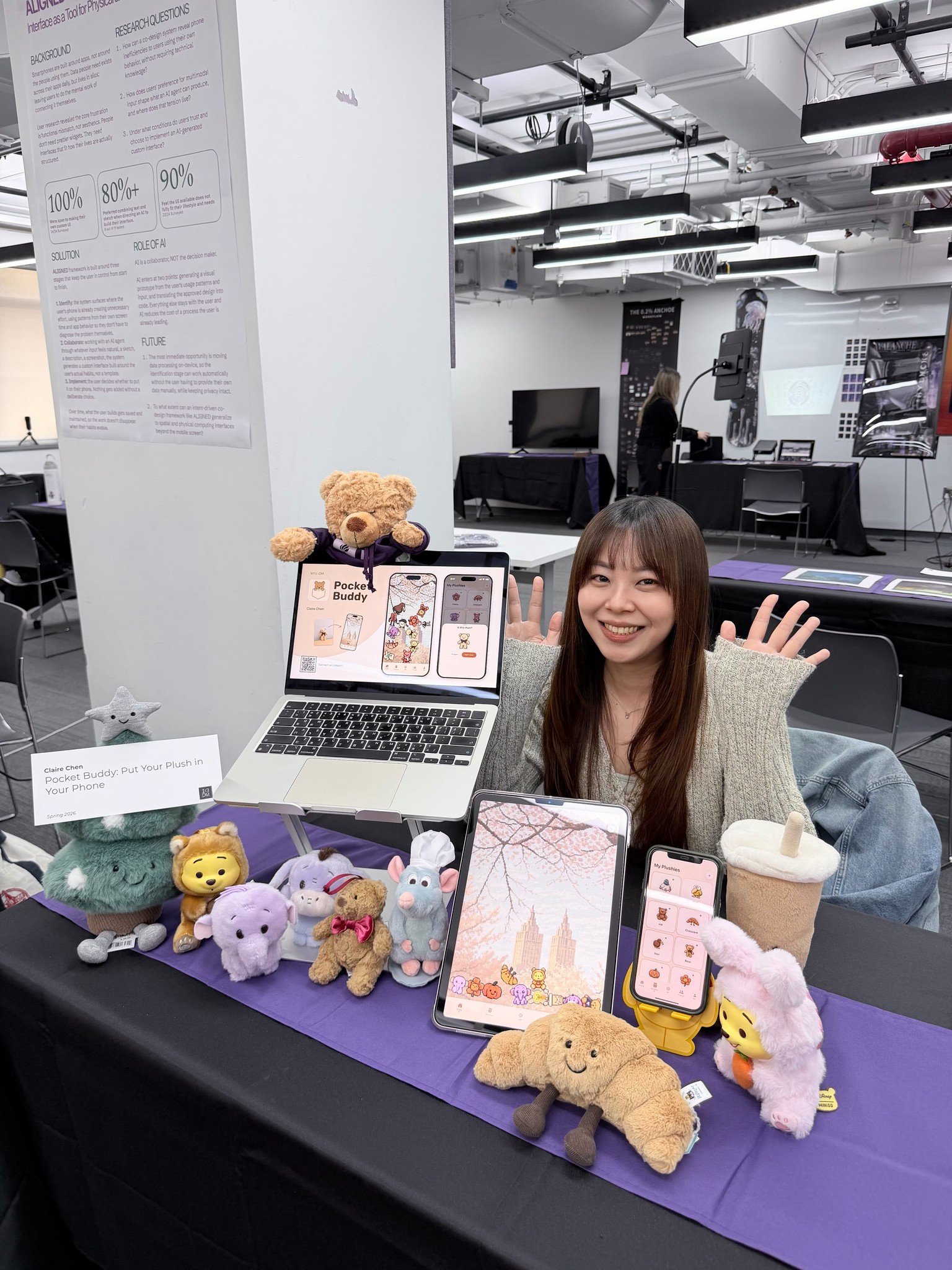
NYU Thesis Showcase • Spring 2026
During a public thesis showcase at NYU, many children were naturally drawn to the app and spent time exploring their digital companions, revealing opportunities beyond the original audience.
Takeaway
Designing for Emotional Connection
Through Pocket Buddy, I learned that creating an emotional connection isn't about adding more features, but about making small interactions feel personal and meaningful.
Less Can Be More
The iterative design process taught me to question whether each feature truly supports the core experience. By simplifying interactions and focusing on what mattered most to users, I learned how to create a more thoughtful and cohesive product.